


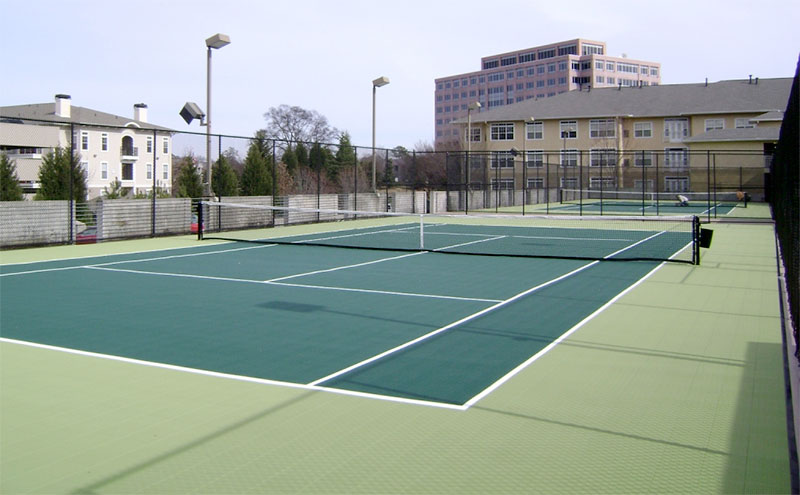
Tennis has always been more than just a sport. For many people, it’s a way to stay active, socialize with friends, and enjoy the outdoors. Whether you’re planning a court for a school, a residential society, a sports club, or even your own backyard, one big decision shapes the entire experience: the surface. Understanding tennis court materialscan make all the difference in how enjoyable, safe, and long-lasting the court will be.
A good tennis court isn’t just about looks. It affects how the ball bounces, how players move, and even how often the court needs maintenance. That’s why choosing the right materials matters more than most people initially realize.
Why Tennis Court Materials Matter
Every tennis surface behaves differently. Some surfaces are faster, some slow the game down, and others offer more cushioning for joints. The materials used also determine durability, drainage, and resistance to weather changes. In regions with heavy rain or intense sunlight, the wrong surface choice can quickly turn into cracked floors, slippery patches, or costly repairs.
Modern courts are designed with both performance and comfort in mind. Today’s materials focus on reducing injuries, improving traction, and creating a consistent playing experience for beginners and advanced players alike.
Popular Tennis Court Surface Options
There are several types of tennis court surfaces commonly used around the world, each with its own character:
- Hard courts are made using layers of asphalt or concrete with acrylic coatings on top. They’re popular because they’re durable, relatively low maintenance, and suitable for all playing styles.
- Clay courts offer a slower game and higher bounce, making them gentler on joints. However, they require regular upkeep and proper drainage.
- Grass courts look beautiful and offer a fast game, but they are expensive to maintain and not ideal for heavy daily use.
- Synthetic courts use advanced materials like cushioned acrylic systems or modular tiles, offering excellent shock absorption and long life.
The choice often depends on budget, climate, and how frequently the court will be used.
Outdoor Tennis Courts and Weather Challenges
An outdoor tennis court faces challenges that indoor courts don’t. Rain, heat, dust, and temperature changes all affect the surface over time. That’s why outdoor courts need materials that can handle expansion, contraction, and water exposure without cracking or becoming unsafe.
Drainage is especially important. A well-designed outdoor court allows water to flow away quickly, so the surface dries faster and remains playable. UV-resistant coatings also help prevent fading and surface breakdown caused by constant sunlight.
Comfort, Safety, and Player Experience
One of the biggest improvements in modern tennis court design is player comfort. Many newer materials include cushioned layers that reduce stress on knees, ankles, and the lower back. This is especially helpful for children, senior players, and people who play regularly.
Good traction is another key factor. Slippery courts increase the risk of injury, while overly rough surfaces can cause abrasions. The right balance ensures confident movement and enjoyable rallies without unnecessary strain.
Maintenance and Long-Term Value
When choosing a tennis court surface, it’s smart to think long term. Some materials may seem cheaper at first but require frequent repairs or resurfacing. Others cost a bit more upfront but last many years with minimal maintenance.
Hard and synthetic courts usually need periodic cleaning and occasional recoating, while clay courts require daily attention. For schools and housing societies, low-maintenance surfaces often provide better overall value.
Sustainability and Modern Trends
Today, many builders are also considering eco-friendly options. Water-based acrylic coatings, recyclable materials, and surfaces that reduce water usage are becoming more popular. These choices not only help the environment but also align with modern community values.
Final Thoughts
Building a tennis court is an investment in health, recreation, and community bonding. By understanding the role of surface materials and environmental conditions, you can create a court that players enjoy for years to come. The right choice blends performance, safety, durability, and comfort into one smooth playing experience.
 Site Title
Leave a comment